
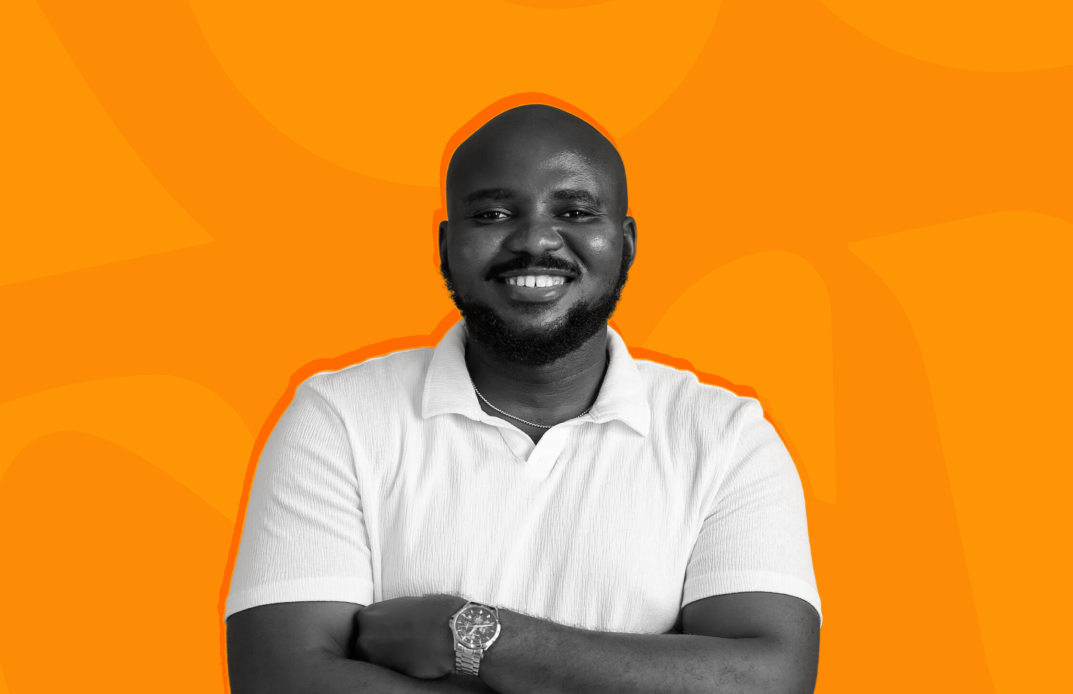
Nathan Ojaokomo is a B2B SaaS writer who built his career amid the pandemic’s uncertainty, turning a side hustle into a freelance business that has included clients such as Vimeo and HubSpot.
I sat with Nathan to discuss how he found B2B writing, the early gigs that barely paid, how freelancing has changed in the age of AI, and the systems he uses to stay visible and win work.
Tell us, how did you start writing B2B SaaS?
I got into writing while I was in school. I used to write for a friend who got gigs from someone else on Upwork. So there was the person with the Upwork account, then my friend, then me.
The rates were very low. If someone got a $50 gig, it would pass through two people before it got to me, so I might end up with something like $10. Sometimes it was basically one kobo-per-word type of money. A 1,000-word article could earn me around $2 or about ₦1,000. At the time, because I was still in school, it felt manageable.
After I graduated in 2018 and finished NYSC in early 2020, things changed. I came back home in March 2020, and about two weeks later, the COVID lockdown started. I had to find something I could do online, and I returned to writing, but this time with more intention. I knew I couldn’t keep doing very low-paying work, so I started asking myself what type of writing could actually become a serious career.
At the time, many of the writers I was seeing online, especially those talking openly about earning well, were B2B software writers, and I became curious about which niche they were in and how they were doing it. That pushed me to study the space more closely.
I was reading websites like HubSpot, CoSchedule, Buffer, and other sales-and-marketing-focused platforms. I was also learning SEO from places like Backlinko and Ahrefs, and taking certifications along the way, and because I was already consuming a lot of content around sales, marketing, and software, B2B SaaS writing became the most natural lane for me.
So what did “getting serious” actually look like?
It looked like building foundations. From around March 2020 until late that year, I was mostly learning, taking courses, creating samples, writing guest posts, revamping my LinkedIn, registering a domain, posting consistently, and connecting with people online. I didn’t just wake up and get clients immediately.
What was your first proper contract?
The first one I’d call a proper contract was with Vimeo in late 2020. I had done a one-off paid trial piece for someone who paid me $150 through PayPal. I actually used my cousin’s PayPal account to receive that payment, but I don’t count it as my first real contract because it was just a trial piece, and we didn’t continue working together.
I had responded to a call for writers in a Slack community that had founders, CMOs, and content leads. At the time, I was still new, so I pulled together the samples from my personal website and sent them over. I didn’t hear back immediately.
Months later, around November, someone else from their team reached out and said their boss had shared my details because I had responded earlier. They asked if I still had availability, and that led to the project.
How much did Vimeo pay you?
They paid me $900, and at the time, that was the biggest amount of money I had ever earned from writing. I wrote a 3,000-word article for them and charged about 30 cents per word. I did the work in November 2020, and I think they paid in December.
It was a major moment for me because it was the first time writing really felt like it could become something serious.
What has been your highest-paying project so far?
If we’re talking single projects, I’d say around $5,000.
That project involved writing three articles and a white paper. In terms of long-term clients, HubSpot has been my biggest and longest-running client. I still work with them.
You’ve built a strong freelance career. Why freelancing instead of full-time work?
I actually enjoy freelancing for the freedom. I have more control over my time. As long as I deliver my drafts and get the work done, I’m good.
The downside is stability. With freelancing, you are doing everything yourself. You are finding clients, doing the work, chasing testimonials, sending invoices, and managing all the admin around the business. In a full-time role, you mostly just focus on the work itself.
So while I like freelancing, I’m also applying for full-time roles because the market has become a lot less stable.
What changed?
AI changed a lot.
Since generative AI became a major thing, especially through much of last year, things have been really bad for me. A lot of clients were reducing budgets or saying they could now use AI for part of the work. The market is correcting itself a bit now, and I’m getting some inbound interest again, but that period was rough.
What’s one of the best things you’ve bought with your earnings?
Probably my tech upgrades, especially my Mac.
My phone and my Mac are the purchases that make me feel the best because they’re direct reminders that the work paid off. There’s something satisfying about using something every day and knowing, “I worked for this.”
You mentioned LinkedIn. A lot of people find it cringeworthy, but it’s still important. For someone who wants to get into B2B SaaS writing, what’s the simplest useful thing they can do on LinkedIn?
The first thing is to define what you want LinkedIn to do for you.
It’s very easy to get distracted by performative content, showing off, or trying to go viral. But what really matters is identifying a problem you solve and consistently talking about that problem and your solution.
If you do that long enough, people begin to associate you with that problem. You become the person they think of when they need help with it.
That’s actually what I’m doing right now. I still write broadly in B2B, but at the moment I’m focusing more on bottom-of-funnel content. So I’m spending this period sharing content I’ve written, explaining my process, and discussing how I approach bottom-funnel writing.
I’m trying to do that consistently over a few months to build momentum and a stronger association with that niche.
What’s next for you?
Right now, I’m looking for more stability while still continuing to do strong freelance work.
I still enjoy writing, and I’m still good at it. But I’m also trying to stay adaptable, stay visible, and keep building a career that can survive changes in the market.
That’s the real goal now: not just to keep getting work, but to keep positioning myself well for what comes next.
When you’re not writing, how do you spend your time?
Apart from the usual doomscrolling, I spend a lot of time upskilling.
I’m usually on LinkedIn, taking courses, or watching training videos, and sometimes I’m on Twitter, mostly for football banter, reactions after matches, or seeing what people are saying after an episode of a show drops.
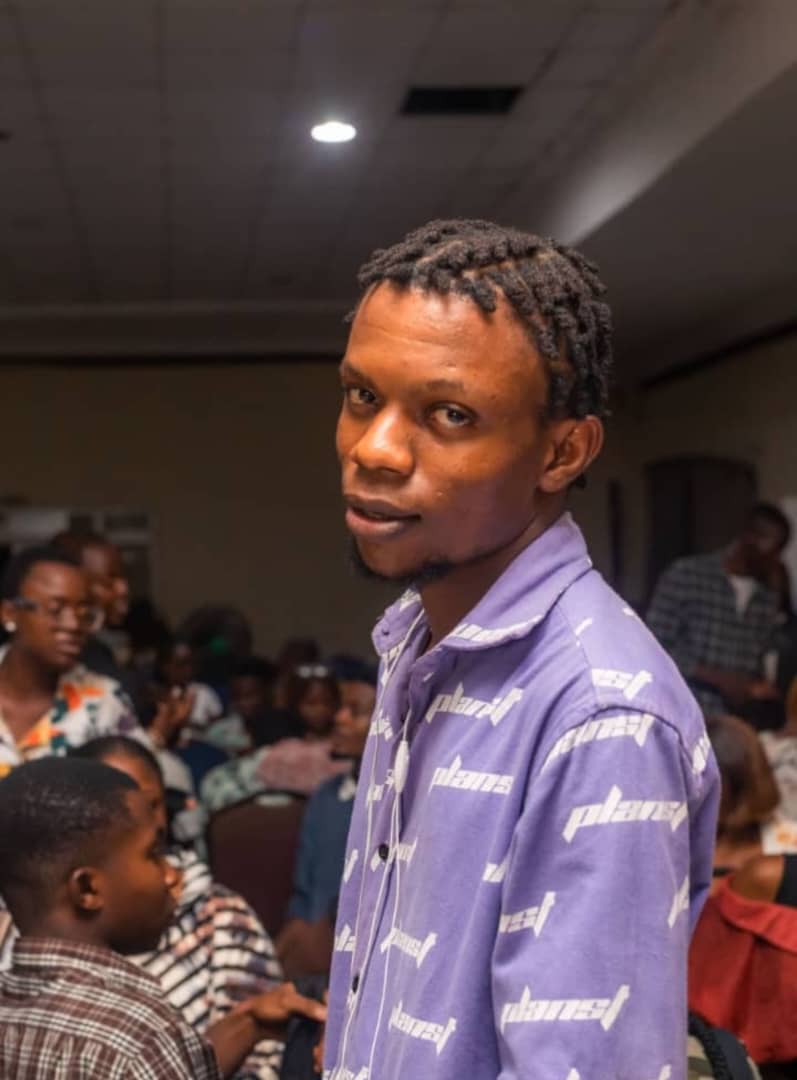
I’ve lived many lives, but one lesson ties them all together: money is only as powerful as its utility. Through my work, I share stories about money and create guides for Africans who want to get the best out of theirs.