
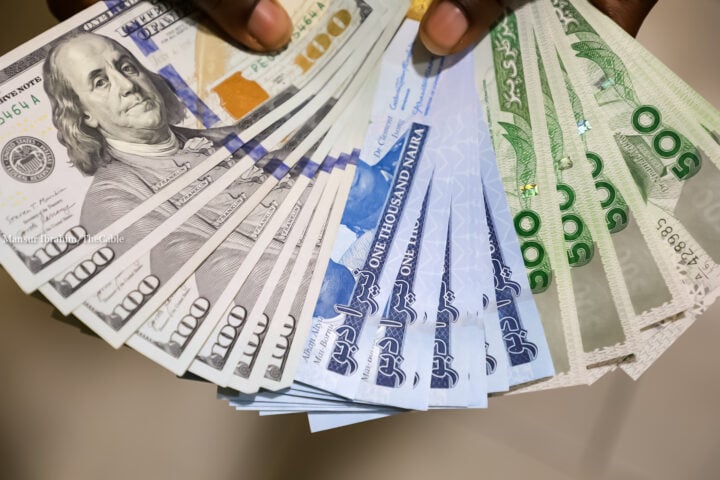
Saving money has never been easy. In Nigeria for example, it often feels like you’re running on a treadmill that keeps speeding up. Prices rise, the naira loses strength, and the money you carefully set aside today can feel smaller tomorrow. In the middle of all this, one question keeps coming up: should you save in naira or in dollars?
On one hand, the naira is familiar and easy to access. It’s what we earn, spend, and budget with every day. On the other hand, the dollar promises stability and protection in an economy where uncertainty has become the norm. Choosing between the two isn’t just a financial decision; it’s a strategy for survival and growth.
In this article, we guide you on understanding the risks and rewards of saving in both currencies, which can help you make smarter choices with your money, because in times like these, how much you save can be just as important as how you save.
Should You Save in Dollars or Local Currency? (Risk & Reward)
Let’s start with the elephant in the room: the naira.
We love it. It pays our salaries, settles our bills, and runs our daily lives, but let’s be honest, it’s been through a lot. Inflation, devaluation, fuel price hikes, food costs rising overnight, you already know the story. The naira simply doesn’t stretch as far as it used to.
That’s why many Nigerians feel like saving is pointless: money set aside today quietly loses value tomorrow, and if that’s how you feel, you’re not alone.
This reality is also why saving in foreign currency, especially the dollar, has become more than a “nice idea.” It’s increasingly seen as a defensive strategy, a way to protect what you’ve worked hard to earn.
Saving in Naira
Before we rush to crown the dollar king, let’s be fair to the naira.
Rewards of Saving in Naira
- Easy access: Your money is readily available for rent, transport, food, and emergencies.
- No exchange-rate stress: You’re not worrying about conversion losses for everyday spending.
- Short-term friendly: Ideal for near-term goals like bills, rent, or small purchases.
Risks of Saving in Naira
- Inflation erosion: Even when your balance stays the same, its buying power shrinks.
- Currency devaluation: Long-term savings can lose significant value.
- Low real returns: Many naira savings options struggle to keep up with inflation.
In short, naira savings are convenient and necessary, but risky if they’re your only strategy.
Saving in Dollars
Now let’s talk about the dollar.
Why save in dollars when saving in naira already feels like a battle? Because saving in dollars is like giving your money a shield, protecting it from the financial hurricanes that keep hitting us from all sides.
While the naira may be doing gymnastics, the dollar tends to be more stable. That stability means your savings are more likely to hold their value over time, especially for long-term goals.
Rewards of Saving in Dollars
- Protection against inflation: Your money retains more of its purchasing power.
- Currency stability: Less exposure to local economic shocks.
- Great for long-term goals: Travel, education, tech purchases, or future investments.
- Access to higher-yield plans: Some platforms offer competitive dollar returns over time.
Risks of Saving in Dollars
- Exchange-rate fluctuations: Converting back to naira may not always be favorable.
- Less liquid for daily needs: Not ideal for everyday expenses.
- Requires discipline: Dollar savings work best when you commit long-term.
So yes, dollar savings demand more patience, but they reward you with stability.
Tips to Start Saving in Dollars
Saving in dollars doesn’t require extreme sacrifices or a total lifestyle overhaul. Here are practical, low-pressure ways to ease into it:
1. Begin Where You Are
You don’t need a large lump sum to get started. With platforms like Accrue, even a small amount, like $10, is enough to open the door. What truly makes the difference is showing up consistently, not how big your first deposit is.
2. Play the Long Game
Digital USD wallets make it easy to convert naira into dollars and save seamlessly. Exchange rates will always fluctuate, but waiting for the “perfect” rate often means not starting at all. A steady, long-term approach almost always wins.
3. Automate Your Savings
Set up automatic transfers from your income into your dollar savings. When saving becomes a background habit rather than a conscious effort, it stops feeling like a burden, and the balance grows faster than you’d expect.
4. Spread Your Risk
There’s no rule that says you must choose one currency. Balance dollar savings with naira savings, low-risk investments, or other assets like gold. This mix gives you flexibility and cushions you against different economic shocks.
5. Save with Purpose
Dollar savings work best when tied to clear goals, such as travel, education, major purchases, or long-term plans. Fixed savings options, some offering returns of up to 10% per annum, can help you stay disciplined and protect your money from sudden currency swings.
Conclusion
Saving in dollars may seem intimidating at first, but once you start, you’ll realise it’s not just possible; it’s smart. In a world where financial uncertainty is the only certainty, building a nest egg in dollars is like owning a raincoat in unpredictable weather.
Start small. Stay consistent. Balance naira with dollars and give your future self a fighting chance.
The key isn’t doing everything at once. It’s starting small, staying consistent, and letting time do the heavy lifting.
Note: You can replace the naira with your local currency (like Cedi, Rand, etc)