
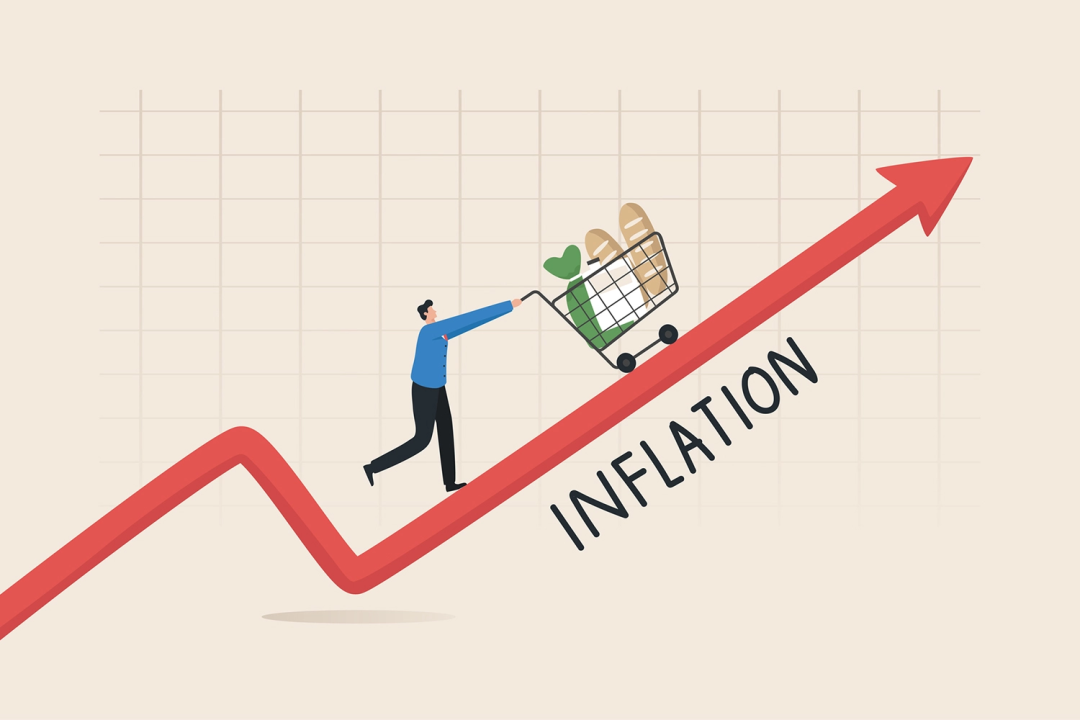
Kojo had just landed his first big boy job.
A year earlier, he was surviving on a modest NYSC allowance. He planned carefully, cut back where he could, and made do with what he had. Then came the offer letter: ₦400,000 a month. For the first time, he felt like he could breathe.
He did what many people do when they start earning more.
He upgraded his wardrobe. He started ordering rides instead of taking public transport. He started eating out. He added more subscriptions. Weekend spending became easier to justify. Small luxuries became monthly habits.
Something shifted. Kojo noticed something strange: despite earning far more money, he still found himself waiting impatiently for payday. The extra income was coming in, but none of it seemed to stay.
That is how lifestyle inflation begins.
What is lifestyle inflation?
Lifestyle inflation, also called lifestyle creep, happens when your spending rises as your income increases. Instead of using extra income to save, invest, or build long-term security, you gradually spend more on comfort, convenience, status, or non-essential upgrades.
In simple terms, the more you earn, the more you spend.
Lifestyle inflation is one of the biggest reasons people remain financially stretched even after getting a raise, a better job, or a higher-paying client.
What does lifestyle inflation look like?
Lifestyle inflation is not always obvious. Sometimes, it’s major changes, like moving into a more expensive apartment. Other times, it’s a smaller habit that quietly eats into your income.
Common examples of lifestyle inflation include:
- upgrading your phone or gadgets before you really need to
- spending more on clothes, entertainment, and shopping
- eating out or ordering in more often
- paying for convenience more frequently
- adding subscriptions you rarely use
- choosing a more expensive lifestyle simply because your income has increased
Using Kojo’s example, a jump from a small NYSC allowance to a ₦400,000 salary can quickly trigger new spending habits. Suddenly, living with your parents no longer feels good. Public transport feels beneath your new status. A bigger apartment, a new wardrobe, gym membership, and multiple subscriptions begin to feel like needs instead of wants.
That is how lifestyle creep works: it makes unnecessary upgrades feel completely justified.
Signs you may be experiencing lifestyle inflation
If you are wondering whether lifestyle inflation is affecting you, here are some clear warning signs:
1. Your non-essential spending has increased
You now spend more on shopping, entertainment, food delivery, gadgets, or convenience than you used to.
2. You still live paycheck to paycheck
Even though your income has improved, your money still runs out before the month ends.
3. You keep upgrading things that still work
You replace phones, clothes, appliances, or furniture not because they are worn out, but because you want something newer or better.
4. You dine out more often
An occasional treat is normal. But if dining out becomes your default, it may be a sign your lifestyle has expanded too quickly.
5. Your savings and investments are suffering
One of the strongest signs of lifestyle inflation is having more income but no meaningful growth in your savings, emergency fund, or investments.
Is lifestyle inflation always bad?
Not always.
Improving your lifestyle as your income grows is not a bad thing. In many cases, it makes sense. As your career develops, your responsibilities may increase too. You may need better housing, more convenience, childcare support, or a shorter commute. Some upgrades genuinely improve your quality of life.
The problem begins when your spending rises so much that it weakens your financial future.
Lifestyle inflation becomes dangerous when:
- It reduces your ability to save and invest
- It pushes you into debt
- It creates pressure to keep up appearances
- It leaves you financially stressed despite earning more
So the goal is not to avoid every lifestyle upgrade. The goal is to make intentional upgrades you can actually afford.
The dangers of lifestyle inflation
Lifestyle inflation can feel harmless in the beginning, but over time, it creates serious financial problems.
1. It delays your financial goals
When extra income goes into lifestyle upgrades, there is less money available for long-term goals like rent, an emergency fund, home ownership, or retirement.
2. It can lead to debt
Overspending often encourages reliance on borrowing, credit, or salary advances to maintain a lifestyle that income alone cannot support.
3. It creates emotional pressure
Trying to keep up with a more expensive image can cause mental and emotional stress, especially when the spending is driven by comparison.
4. It keeps you from building wealth
A higher income can create wealth, but only if part of that income is saved and invested consistently.
Smart Strategies To Avoid Lifestyle Inflation
If you want to enjoy earning more without falling into lifestyle creep, these strategies can help.
1. Create a realistic budget
A budget helps you see exactly where your money is going. Once you track your income and expenses, it becomes easier to spot waste, reduce unnecessary spending, and free up money for your goals.
2. Automate your savings
One of the easiest ways to avoid lifestyle inflation is to save before you spend. When your savings happen automatically, you reduce the amount of money available for impulse spending.
3. Practice contentment and mindful spending
Not every increase in income needs to lead to an immediate lifestyle upgrade. Ask yourself whether a purchase is solving a real need or simply feeding a temporary desire.
4. Resist social pressure
Lifestyle inflation often grows through comparison. Social media and status culture can make overspending feel normal. The more clearly you define your own financial goals, the easier it becomes to ignore outside pressure.
5. Shop smarter
Buying in bulk, comparing prices, using discounts, and separating wants from needs can help you spend more intentionally, especially during periods of high inflation.
6. Think long term
Before spending, ask:
- Will this purchase matter in a month?
- Am I sacrificing future stability for short-term comfort?
- Do I have enough saved for emergencies?
Long-term thinking helps you make better financial decisions today.
7. Build financial discipline
Avoiding lifestyle inflation is less about deprivation and more about consistency. Saving regularly, investing steadily, and setting limits on unnecessary upgrades will help you build a stronger financial future as your income grows.
Save With Accrue and Earn Interest In Dollars
Lifestyle inflation is one of the easiest financial traps to fall into when you start earning more.
It often begins with harmless upgrades, but over time, it can keep you stuck in a cycle where higher income does not translate into real financial progress.
With a budget, clear priorities, mindful spending, and consistent saving, you can enjoy your income growth without letting it control your future.
Accrue makes it easier by helping you save in dollars and earn up to 6% interest per annum, and you can channel it into something that actually grows, quietly, consistently, and with purpose.
Earning more should make your life better, not just more expensive.

I’ve lived many lives, but one lesson ties them all together: money is only as powerful as its utility. Through my work, I share stories about money and create guides for Africans who want to get the best out of theirs.