
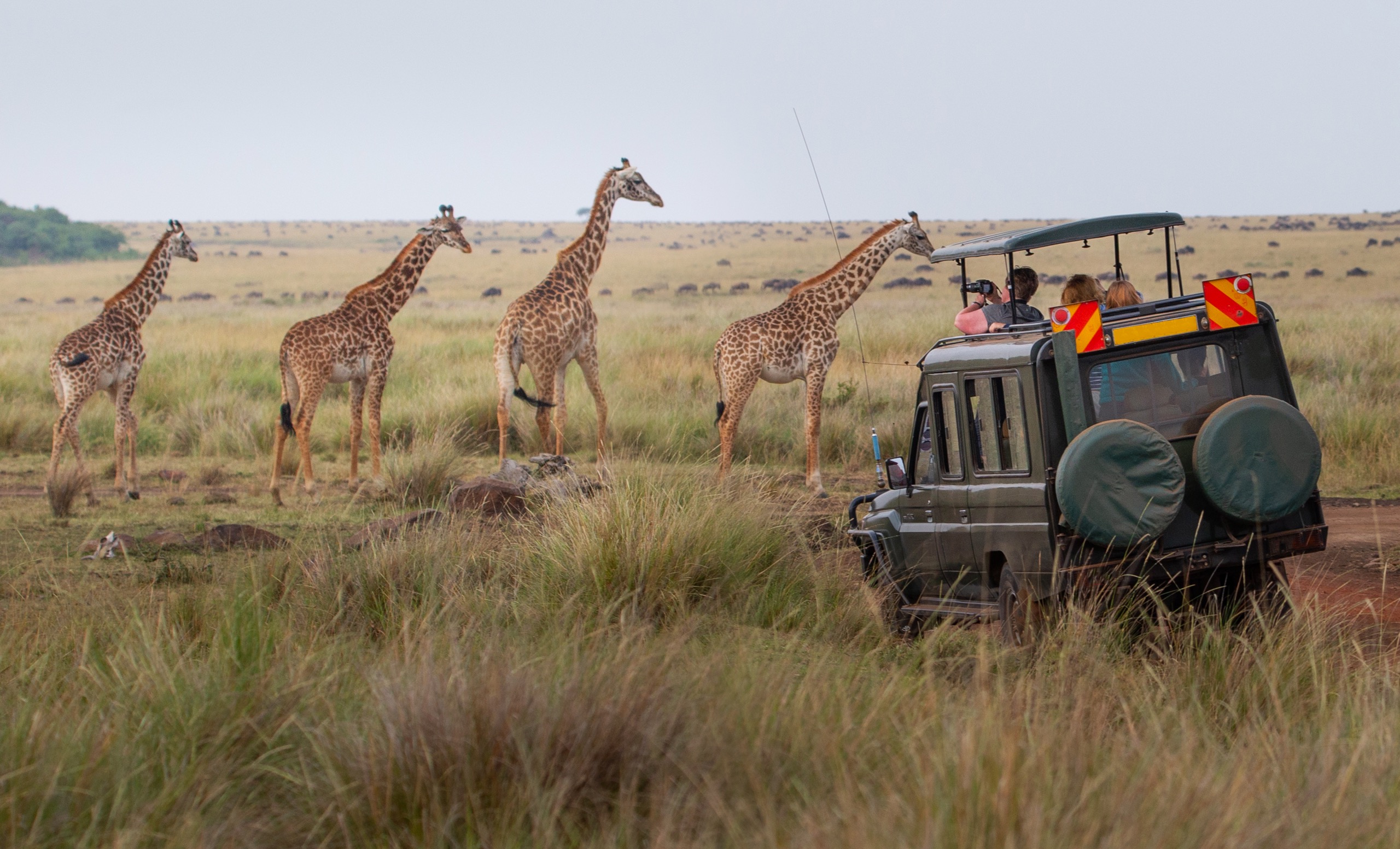
Kenya offers very different experiences depending on when you visit, and you may have the opportunity to witness the Great Migration in the Maasai Mara.
The best time to visit Kenya depends on what you want to experience, where you plan to go, how much you intend to spend and how comfortable you are with unpredictable weather.
This guide explores Kenya's weather throughout the year, the best months for safaris and beach holidays, when to find cheaper travel options, and ways to plan your trip and manage your money.
When is the best time to visit Kenya? A quick guide
Kenya experiences two main rainy seasons and two relatively dry periods. However, its geography means the weather isn't the same everywhere.
Nairobi and the surrounding highlands are generally cooler than the coast. Coastal cities such as Mombasa are warm and humid, while northern Kenya is typically hotter and drier than many southern regions.
Understanding these differences can help you decide when to travel and which destinations to include.
January to February: The short dry season
January and February are generally warm and relatively dry across much of Kenya. They are excellent months to consider if you want to combine a safari with a coastal holiday.
The Maasai Mara and other wildlife destinations are worth exploring during this period. Drier conditions can make animals easier to spot, although sightings will always depend on the location, time of day and movements of individual animals.
You can also spend time in Nairobi, visit Nairobi National Park or continue to the coast for a few days at Diani Beach.
March to May: The long rainy season
March to May is typically the long rainy season, with April and May often experiencing particularly heavy rainfall in many regions.
Rain can affect road conditions, lengthen journeys and make some remote safari routes more challenging. Thick vegetation may also make wildlife harder to spot in some areas.
However, the rainy season has its advantages. The landscape becomes greener, the scenery can be particularly appealing for photography, and some destinations experience fewer visitors.
June to October: The long dry season
Late June to October is one of Kenya's most popular travel periods, particularly for visitors whose main goal is wildlife viewing.
As the dry season progresses, vegetation becomes less dense in many safari regions, and animals may congregate around available water sources. Roads are often easier to navigate, making it more convenient to explore wildlife reserves.
July to October is also the period commonly associated with the Great Migration in the Maasai Mara.
October to December: The short rainy season
The short rainy season generally falls between October and December, although its timing and intensity vary across Kenya.
Rain showers can be brief and intermittent, but heavier downpours are possible. November may be an appealing option for travellers who prefer quieter destinations and don't mind adapting their plans to the weather.
December can offer a mix of conditions, with rainfall easing in some areas. It is also a popular holiday period, particularly around Christmas and New Year, so accommodation and travel costs may rise as demand increases.

Choosing the right month for your kind of holiday
The easiest way to identify the best time to visit Kenya is to start with what you want to do rather than choosing a month first.
If you want to… | Consider travelling | Here's why |
Go on a classic safari | January–March or late June–October | Many safari regions experience relatively dry conditions |
See the Great Migration | July–October | Large herds may move through the Maasai Mara during this period |
Combine a safari with a beach holiday | January–February | These months often offer favourable conditions for both experiences |
Enjoy greener landscapes | April–May or November | Rainfall can transform the scenery |
Find potentially cheaper accommodation | March–May or November | Some providers offer lower rates outside peak periods |
Avoid peak safari crowds | Consider the rainy or transitional months | Some destinations may be quieter, although demand varies |
Explore several regions in one trip | January–February or June–September | Generally drier conditions can make transfers easier in many areas |
Remember that the best time for one activity may not be ideal for another. A trip focused on the Maasai Mara will require different planning from a holiday centred on Nairobi and the coast.
Best time to visit Kenya for a safari
The best time for a safari in Kenya is generally during the drier months, particularly from late June to October. January and February are also favourable options.
The Maasai Mara, Amboseli National Park and Tsavo's parks are worth considering for wildlife-focused trips. Your choice will depend on the animals you want to see, your budget and how much time you have.
When is the best time to see the Great Migration?
July to October is the best time for the Great Migration in the Maasai Mara.
Large herds of wildebeest, alongside zebras and other grazing animals, move through the connected Serengeti–Maasai Mara ecosystem throughout the year. The famous Mara River crossings may occur during this period, often attracting visitors hoping to witness one of nature's most dramatic spectacles.
What is the cheapest time to visit Kenya?
If you're travelling on a budget, March to May is generally worth investigating first. These months fall within the long rainy season, when some safari lodges and accommodation providers may offer lower rates to attract visitors.
November can also be a good-value period, as visitor numbers may be lower than during the main dry season.
However, cheaper accommodation doesn't always mean a cheaper trip overall. Rain can affect road conditions, transfer times and access to certain activities, so factor these possibilities into your budget.
July to October is usually a more expensive period for popular safari destinations because of increased demand. August and September can be especially busy in the Maasai Mara. Christmas and New Year can also bring higher travel costs.
If you're travelling during peak season, book accommodation and safaris well in advance. If you're visiting during the rainy season, compare rates and check cancellation policies before paying.
What to pack for Kenya's different seasons
Kenya's varied climate means your packing list should reflect the destinations on your itinerary.
For most trips, lightweight, breathable clothing, comfortable walking shoes, sunscreen, sunglasses and a refillable water bottle are useful. Insect repellent is also worth packing, particularly if your itinerary includes wildlife reserves.
For safaris and visits to the highlands, pack a light jacket or additional layers. Early mornings and evenings can be chilly, even when daytime temperatures are warm. Neutral-coloured clothing can also be practical for game drives.
How to manage your money while travelling in Kenya
Before you leave, estimate your daily expenses and set aside money for unexpected costs, especially if your itinerary includes several destinations.
1. Understand the local currency
Kenya's currency is the Kenyan shilling (KES). While some hotels, safari lodges and tour operators may accept US dollars, local currency is useful for everyday purchases, particularly outside major tourist establishments.
In Kenya, use Accrue to pay without carrying cash; if you need to exchange, compare the exchange rate and any applicable charges. Airport exchange counters may offer less favourable rates than other options, so exchange only what you need for immediate expenses and transport, then compare alternatives in town.
2. Carry cash for local purchases
Debit cards are accepted at many hotels, supermarkets, shopping centres and larger restaurants, particularly in Nairobi and Mombasa. However, local markets, roadside vendors, matatus (shared minibuses) and smaller businesses may prefer cash.
Carry enough Kenyan shillings for the parts of your trip where card payments may not be available. You don't necessarily need to carry all your spending money in cash; the aim is to have a practical alternative when digital payments aren't an option.
3. Understand M-Pesa and mobile payments
M-Pesa is widely used in Kenya for everyday payments. Markets, cafés, transport providers and small businesses may accept mobile money even when they don't accept cards.
You can make payments to M-Pesa from your Accrue app without carrying stress.
Keeping some cash available is a sensible backup, especially if you're heading to remote safari areas or smaller coastal towns.
4. Plan cross-border transfers before you travel
If you're travelling to Kenya from another African country, you may need to send money to someone there or manage cross-border financial commitments.
Accrue helps users send money across supported African countries to eligible local bank accounts. If you need to transfer money from another country to a recipient in Kenya, check the exchange rate, applicable fees and recipient details carefully before making payments.
6. Choose an itinerary that fits your budget
A memorable trip doesn't have to include every destination in Kenya.
Choose the activities that matter most, compare accommodation and transport options, and decide how much you're comfortable spending before booking.
Travelling outside peak periods may offer more options, though lower prices aren't guaranteed. A realistic budget and some flexibility can help you enjoy the experience without putting unnecessary pressure on your finances.
Explore Kenya with Accrue
Planning an international trip can involve more than paying for accommodation and activities.
Accrue supports transfers across Africa, and if you need to send money to a recipient in Kenya, check the available options in the app and confirm the recipient's details before proceeding; they can receive the money in their local bank account or M-Pesa wallet.
For everyday purchases while travelling, confirm the payment methods accepted by your accommodation, tour operators, local businesses and make payments seamlessly from your Accrue app.
Frequently asked questions about visiting Kenya
Which month is best for visiting Kenya?
January and February are good all-round options for travellers who want to combine safaris, sightseeing and coastal activities. August and September are particularly popular for wildlife viewing and the potential to see the Great Migration in the Maasai Mara.
When is Kenya's rainy season?
Kenya generally experiences long rains between March or April and May, followed by a shorter rainy season between October and December. The precise timing and intensity vary by region and year.
Can you visit Kenya during the rainy season?
Yes. The rainy season can offer greener landscapes and potentially quieter destinations. However, heavy rainfall can affect road conditions, transfer times and outdoor activities. Check local forecasts and keep your itinerary flexible.
What is the best time to go on safari in Kenya?
Late June to October is generally considered a favourable period for safaris in many parts of Kenya. January and February are also good options, particularly for travellers who want relatively dry conditions without the main migration-season crowds.
When can you see the Great Migration in Kenya?
July to October is the commonly recommended window for the Great Migration in the Maasai Mara. The famous Mara River crossings are often associated with August and September, but the herds' movements depend on rainfall, water availability and grazing conditions. Specific sightings cannot be guaranteed.
What is the cheapest time to visit Kenya?
March to May is generally worth considering if you're looking for lower accommodation and safari rates. November may also offer better-value options. However, rain can affect road access and outdoor activities, and prices vary by destination and provider.
What is the best time for a beach holiday in Kenya?
January to March and July to September are generally good periods to consider for a coastal holiday. The coast is warm year-round, but rainfall and sea conditions vary. Check local forecasts before booking water-based activities.
Is Kenya expensive to visit?
The cost of visiting Kenya depends on your travel dates, accommodation, transport and activities. Budget travel is possible, particularly if you compare options outside peak periods. Safari packages can account for a significant part of your budget, and some peak-season camps can be expensive. The coast offers a range of accommodation options, depending on your destination and preferences.
How long should you spend in Kenya?
A shorter trip can focus on Nairobi and nearby attractions or a single safari destination. If you want to combine Nairobi, the Maasai Mara and the coast, allow additional time for transfers and activities. The more regions you include, the more flexibility you'll need in your itinerary.
What currency is used in Kenya?
Kenya uses the Kenyan shilling (KES). Some hotels and tour operators may accept US dollars, but local currency is useful for everyday spending. Keep some cash available for markets, local transport and smaller businesses.
Can I use Accrue to send money to Kenya?
Accrue supports cross-border transfers across African countries. If you need to send money to a recipient in Kenya, you can send money to their local bank accounts, mobile money or M-Pesa wallet easily from your Accrue app.
Is Kenya a good destination for first-time travellers to Africa?
Kenya can be an appealing destination for travellers interested in wildlife, city experiences, beaches and cultural attractions. Nairobi, the Maasai Mara and Diani Beach offer different ways to experience the country. Before travelling, check entry requirements, transport options, local conditions and your budget.

Keep reading

When Is the Best Time to Visit Ghana? A Complete Travel Guide
This guide explores Ghana’s weather throughout the year, the best months for different experiences, the festivals worth planning around and practical ways to manage your travel budget.

When Is the Best Time to Visit Benin? A Complete Travel Guide
Here’s a guide to the best time to visit Benin, what to expect in each season, and how to plan your trip.

Send Money To Kenya From Nigeria in no time!
Discover the quickest and most efficient way to send money from Nigeria to Kenya with Accrue in 5 minutes