
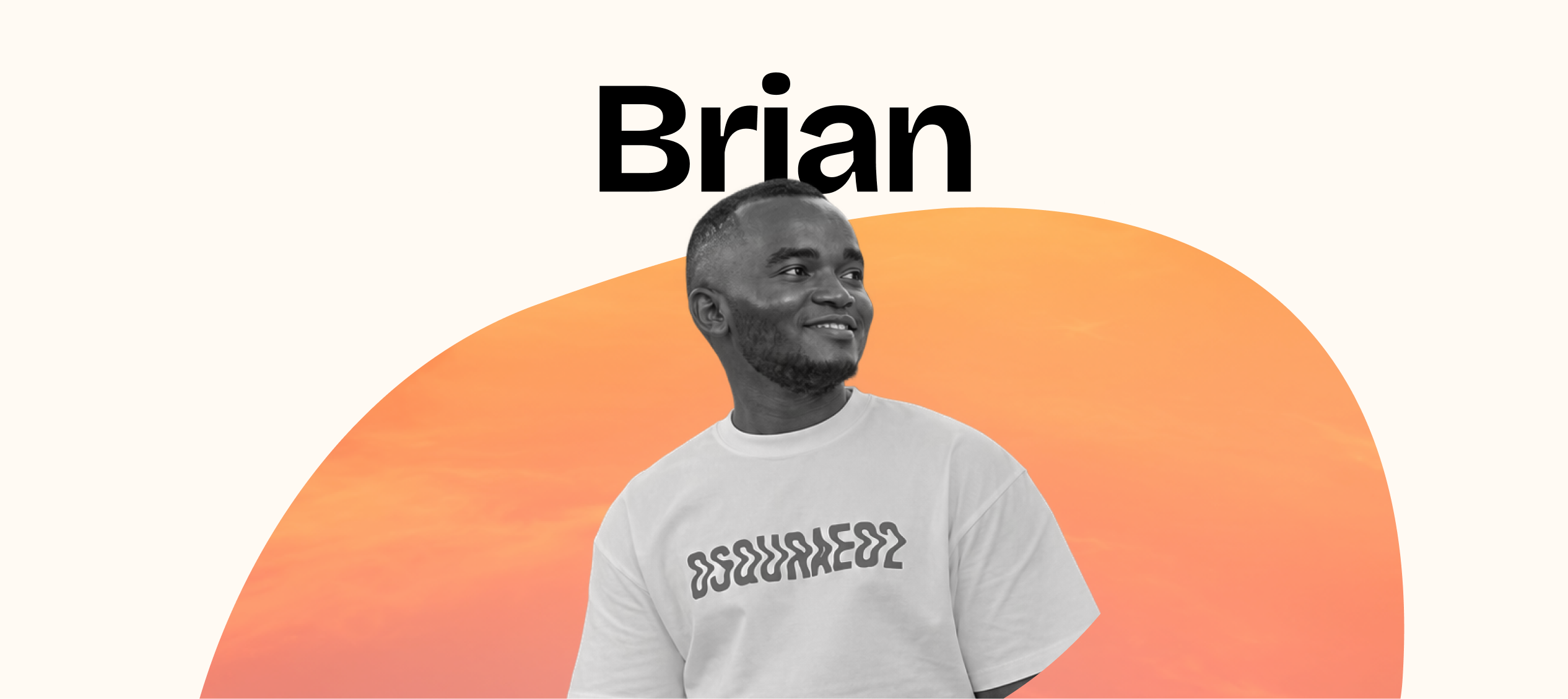

On a cool Thursday night in Nairobi, Brian’s phone buzzes beside him. As a Cashramp agent, it’s a sound he’s become very used to. He picks up his phone, checks the screen, and sees: “New $79 cross-border payment from NG.”
On the other side of that notification is Ryan, a Nigerian VC analyst. Ryan hates meetings before 8 am. If you try to reach him before he’s had his morning coffee, you’re, in his own words, “on your own”.
Brian doesn’t know any of this. To him, this is simply another order: a Nigerian needs Kenyan shillings, and he has them.
The chapati dilemma
Ryan works at Lava, a pan-African venture fund, where his job involves identifying and evaluating investment opportunities across Lagos, Abuja, Enugu, Accra, Nairobi, and Johannesburg. As a result, he travels across the continent often and, almost as often, encounters a particularly African frustration: arriving in a new country while his money remains stuck back home.
Earlier that day, Ryan’s colleague gave him the only Kenyan money he had: a 1,000 KSh note. Ryan quickly learned how little cash is used in an M-Pesa-dominated economy. Several times, he found himself begging Uber drivers not to cancel on him when he told them he only had cash to pay with. After surviving the day, he ended up at The Alchemist to pregame for a rave in Westlands.
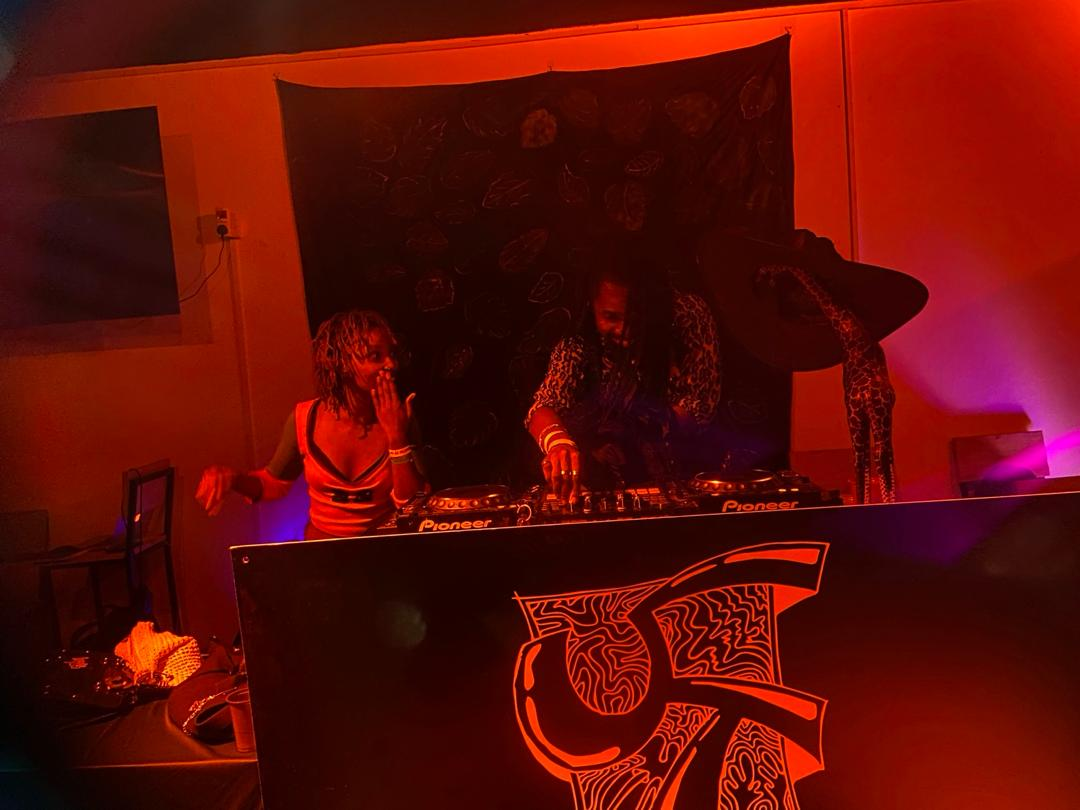
The Alchemist is an open-air, subdivided venue that houses bars, shops, and restaurants. It attracts a distinctly Nairobi mix: locals, foreigners, Africans from across the continent, expats and tourists who are eating, drinking, and dancing to Kenyan hits, afrobeats, afro-house, hip-hop, and R&B. Ryan recounted a strange sense of pride hearing so much Nigerian music, a feeling he joked that he rarely experiences while actually in Nigeria.
Two really good Tusker beers in, Ryan stepped outside, the crisp night air sharpening his buzz as "Kamili" played softly from the speakers behind him. His thoughts turned to the dilemma of how to use his remaining cash. Did he want to spend it on more chapati–a delicious, flaky flatbread he had tried for the first time the day before–to give him the energy to keep the night going, or save it for an Uber ride later to an underground club? He didn't have enough cash to do both.
Don’t move the money
Historically, one of humanity’s solutions to moving money across borders has been not to move it at all. Within a trusted network, you pay someone here, and their counterparty pays you or your recipient there. The intermediaries then net opposing flows or rebalance whatever difference remains.1 A 17th-century merchant relied on bills of exchange and networks of correspondents.2 A hawaladar relies on a network of trusted counterparties.3 A correspondent bank uses accounts held with other banks and messaging networks to coordinate cross-border payments.4
Cashramp is a continent-wide agent network that takes this old arrangement and makes it more productive. Ryan doesn’t need to know Brian, find someone who has Kenyan shillings, negotiate the best rates, or decide whether they can entrust them with their money. He simply places a request; Cashramp matches that request with an available agent offering competitive rates and sufficient local liquidity to fulfil it, while KYC, escrow and reputation mechanisms establish a trust layer between them.
This is often what technology does best: making old human solutions dramatically more productive. Letters between merchants become instant messages. Finding a trusted counterparty becomes matching algorithms. Reputation that once took years of personal relationships to establish can be bootstrapped by transaction histories and customer reviews. And stablecoins give agents a digital asset they can hold, trade, and rebalance across markets as they manage their liquidity.
The man on the other side
Brian describes himself as a full-time crypto trader, but he did not grow up expecting to be one. He and his brother spent much of their childhood in rural Kenya with their grandparents while their parents worked in Nairobi. Money was tight at home, and living together in Nairobi was more than their family could afford. His parents visited often, and Brian and his brother visited Nairobi during school holidays. It wasn’t until the end of primary school that he moved to the city to live with his parents full-time.
Years later, Brian was lucky enough, as he puts it, to make it to university, where he studied hospitality management. It was there that money became a problem again. He needed it to support himself, but his parents couldn’t provide enough, so he started looking for ways to earn money online.
That search led him to crypto. Long before a fellow agent referred him to Cashramp in 2025, Brian had taught himself how to trade stablecoins peer-to-peer and spent the next few years trading on Binance and Bybit. Today, he manages about $25,000 in working capital. His earnings support a life that is, in his telling, fairly modest. He is married, and recently became a girl dad; his daughter is five months old. When he isn’t trading, his favourite thing to do is drive. “Anytime I feel like I’m bored, I usually get to my car, then just drive.”
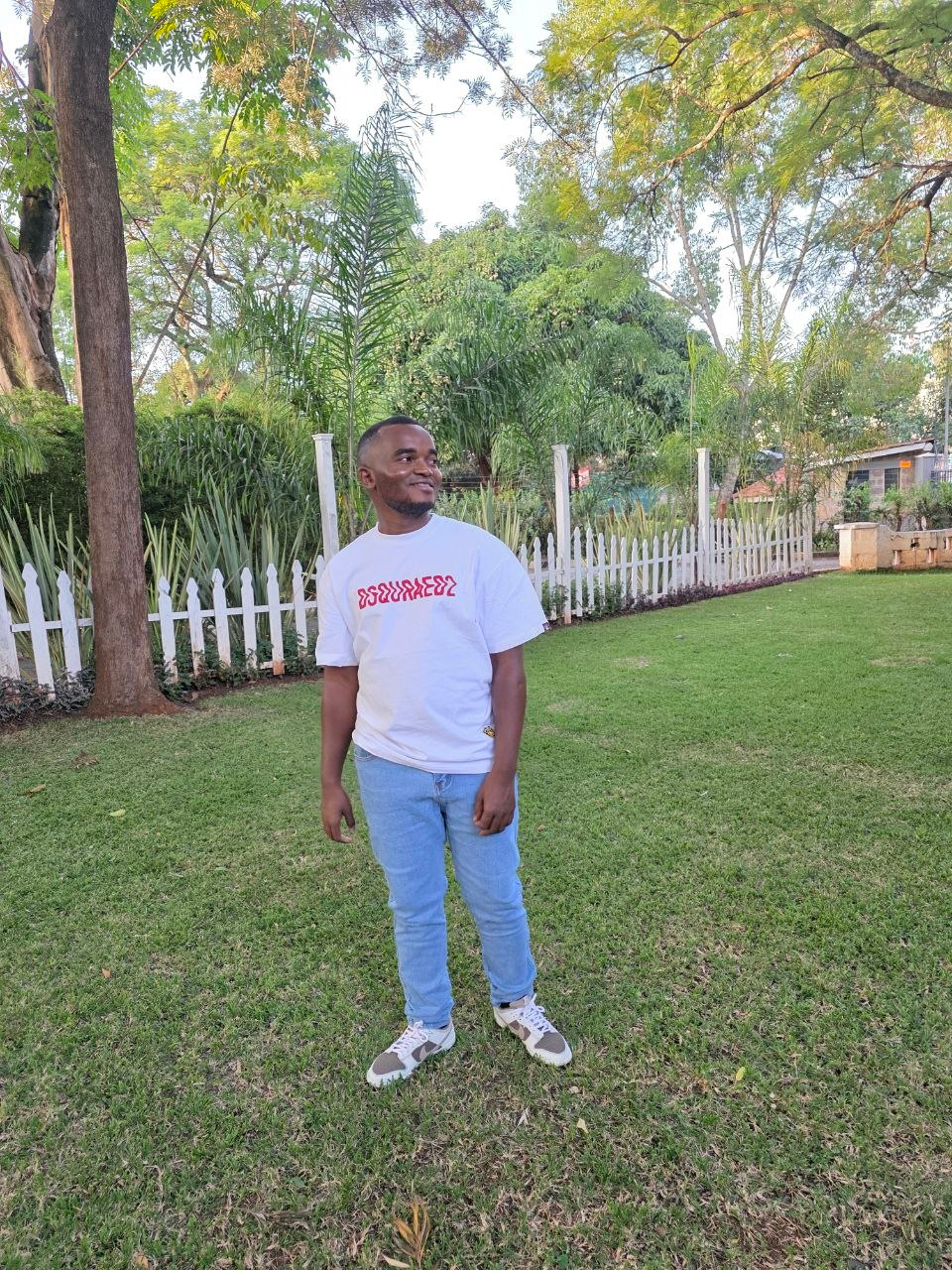
By 6 or 7 each morning, Brian is already starting his day. After freshening up, he checks stablecoin market rates across the countries he operates in, decides the margins he wants to earn and adjusts his rates. Then he switches his Cashramp profile to active and waits for the first order to come in. Over the course of the day, Brian keeps roughly half of his liquidity in USD stablecoins and the other half in local currencies, so he can serve customers moving money in either direction.
When I asked Brian what would make someone a good agent, he mentioned three traits: trust, speed, and reliability. Those answers made a lot of sense after hearing him describe his core values: hard work, consistency, and honesty.
Trust, to him, is of utmost importance. “Everybody wants their money to be safe. Let’s say someone mistakenly sends you extra money. You have to refund them without them needing to reach out.” Speed matters nearly as much. He maintains a strict two-minute payment timeline, mainly because he sees speed as a win-win for both sides. A quick, uneventful transaction that gets a customer their money when they need it, in turn, builds the trust that makes repeat business more likely. Reliability ties everything together. Brian treats each transaction, whether it’s a new or returning customer, with the same high standard of care and respect. And regardless of how busy or slow the market is, he makes sure to remain available to whoever might need him.
Across Africa, in minutes
Back outside The Alchemist, Ryan remembered that Accrue could resolve his dilemma. Fortunately, he had already set up an M-Pesa account earlier in the day, and now he only needed to get money into it. He funded his Accrue account by depositing stablecoins from MetaMask, tapped “Send across Africa”, linked his Safaricom phone number, and initiated a Cashramp withdrawal request.
Somewhere else in Nairobi, Brian received the notification that started this story. The first thing he checked was whether it was a deposit or withdrawal. It’s a small but important distinction to make if you don’t want to send money when you should be receiving it. Since it was a withdrawal, he copied Ryan’s M-Pesa details and made the payment as quickly as possible.
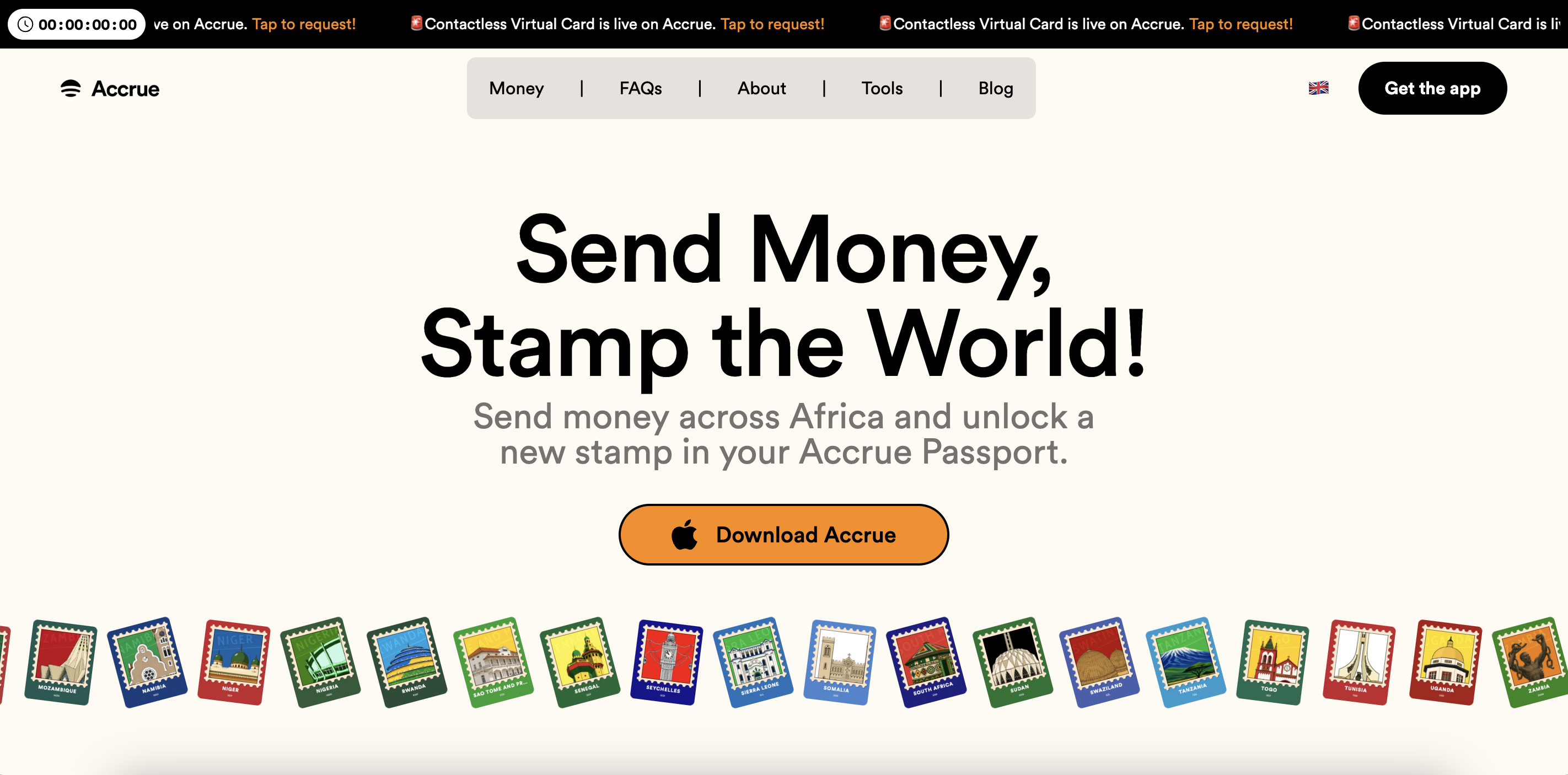
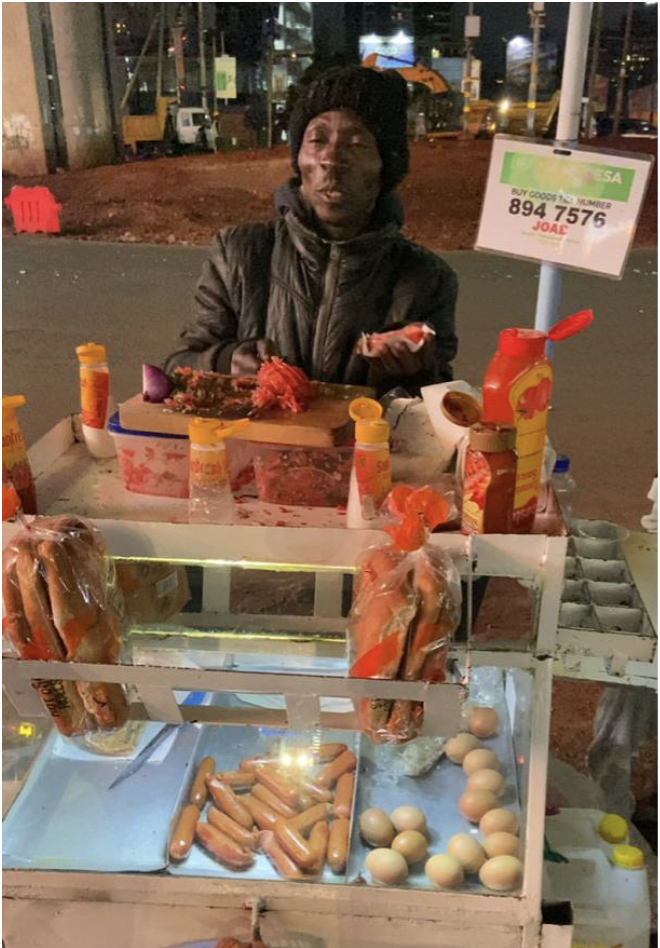
A few seconds later, Ryan took a break from doomscrolling because his first M-Pesa transaction notification had just come in, signalling that his money had finally made it from Enugu to Nairobi. But there was still one small problem: he couldn’t get the M-Pesa app to cooperate. He fondly recalled the chapati seller patiently spending the next few minutes helping him complete his first M-Pesa USSD transfer.
The business of being there
Elsewhere, Brian had already moved on to his next few orders. It's the nature of the business. He earns roughly $600 a week across the platforms he trades on, $150 coming from Cashramp, enough to fund his living expenses, add to a rainy-day fund, and, importantly, reinvest into his business.
Brian plans to grow his working capital significantly over the next three years. He has been building a network of trusted people in neighbouring countries like Uganda and Tanzania who help him access liquidity when he needs to settle customers there.
This is one of the ways an agent’s ambition aligns with the expansion of the Cashramp network. Agents who start out serving only one country have an economic incentive to unlock liquidity in nearby countries, because the more countries they can help customers reach, the more useful they become to those customers, and the more repeat business flows back to them.
Integrated like a local
Ryan is excited about his upcoming trip to Abidjan. In Nairobi, Accrue made him feel “integrated like a local” in a way he didn’t feel on his trip to Benin early this year. His anxiety about how to bring his money along to a new African country has largely disappeared.
He’ll arrive, need local currency, tap a few buttons, and somewhere, someone who has it will answer. Ryan won’t need to know who that person is. They won’t need to know why he needs the money.
And that’s how money moves.
Footnotes
- In correspondent banking, a cross-border payment does not need to literally move money across the border. Instead, the intermediaries update accounts, with their interlinked payment systems netting opposing obligations before a final settlement.
- Bills of exchange were an early way for a merchant in one city to instruct a counterparty in another city to make a payment on their behalf.
- In the classic hawala system, a sender gives funds to one hawaladar, who arranges for another hawaladar to pay the recipient locally. The system relies heavily on trust, and any outstanding balances are settled later through opposing transactions, trade, or other arrangements.
- Correspondent banks provide local accounts and payment services to banks in other jurisdictions, enabling cross-border payments without a direct presence everywhere.