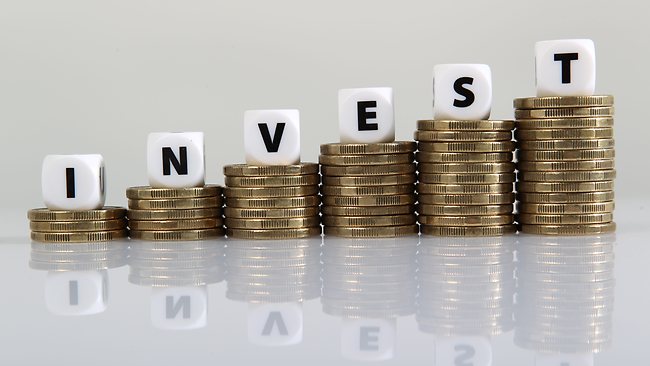
Many people assume investing is only for high earners. It is not.
You do not need a huge salary to begin building wealth. What you need is a simple plan, realistic goals, and the discipline to start with whatever amount you can afford. Even small, consistent investments can grow over time.
If you have ever asked, “Can I invest if I do not earn much?” the answer is yes. A low income may mean you need to start smaller and move more carefully, but it does not lock you out of investing.
In this guide, you will learn how to invest in a low-income, what to do before you invest, and the best investment options for beginners starting with little money. Can you invest in a low-income? Yes, you can.
What to do before you start investing
Before you put money into any investment, make sure your financial foundation is stable. This will help you invest with less stress and reduce the chances of pulling your money out too soon.
Investing is not about how much money you make. It is about how consistently you set money aside and how wisely you use it. Even if you can only start with a small amount each week or month, you can still begin building long-term financial security.
The key is to start where you are. A person who invests a small amount consistently is often in a better position than someone who keeps waiting until they feel “rich enough” to begin.
1. Create a simple budget
A budget helps you see exactly how much money comes in, how much goes out, and what you can realistically invest.
Start by listing:
- income
- rent and bills
- food and transport
- debt payments
- savings
- personal spending
Once you know where your money is going, it becomes easier to free up even a small amount for investing.
2. Build an emergency fund first
Before investing, try to save a small emergency fund. This gives you a cushion for unexpected expenses like medical bills, car repairs, or urgent family needs.
Without an emergency fund, you may be forced to sell investments at the wrong time just to cover short-term problems.
A good starting goal is to save at least a small buffer first, then grow it over time.
3. Pay down high-interest debt
If you have expensive debt, especially high-interest debt, it often makes sense to reduce it first before investing heavily.
This is because the interest on your debt can grow faster than your investment returns. Clearing or reducing that burden can put you in a stronger position to invest consistently.
4. Look for ways to increase your income
A low income does not mean your income has to stay low forever.
You can create more room for investing by:
- starting a side hustle
- freelancing
- selling a skill or service
- asking for a raise
- taking a course that improves your earning power
Increasing your income can make saving and investing much easier.
How to invest on a low income
Here are practical steps to help you start investing even if money is tight.
1. Start small and stay consistent
Do not wait until you have a large lump sum.
If all you can invest is a small amount every month, start there. Consistency matters more than size in the beginning. Regular small deposits can grow over time and help you build the habit of investing.
2. Automate your savings and investments
One of the easiest ways to invest in a low income is to automate the process.
Set up an automatic transfer on payday so a portion of your income is deposited into a savings or investment account before you spend it. This reduces the temptation to use the money elsewhere.
3. Choose low-cost investments
When you are starting with little money, fees matter.
High fees can eat into already small returns, so focus on low-cost, beginner-friendly investment options. This helps more of your money stay invested and working for you.
4. Focus on long-term investing
If you are a low-income earner, trying to chase quick gains can be risky.
A long-term approach is usually safer and more sustainable. Instead of trying to get rich quickly, aim to build wealth steadily over time.
5. Reinvest your returns
If your investment pays dividends or earns returns, reinvesting them can help your money grow faster. This is one of the simplest ways to benefit from compounding over the long term.
Best investment options for low-income earners
Not every investment is suitable for beginners. If you are investing with limited income, start with options that are simple, diversified, and affordable.
1. Index funds
Index funds are one of the best options for beginners because they spread your money across many companies instead of relying on the performance of just one.
They are popular because they are simple, relatively low-cost, and designed for long-term growth.
Best for: beginners who want a simple, hands-off investment
2. Exchange-traded funds (ETFs)
ETFs are similar to index funds but trade like stocks. Many ETFs offer broad market exposure, which means you can invest in many companies at once.
They are often a good choice for low-income earners because they can be cost-effective and easy to buy in small amounts.
Best for: investors who want flexibility and diversification
3. Target-date funds
Target-date funds are designed to become more conservative as you get closer to a specific goal, such as retirement.
They can be a good option if you want a single fund that manages the mix of investments for you.
Best for: people who want a simple “set it and leave it” option
4. Dividend reinvestment plans (DRIPs)
A DRIP allows dividends earned from an investment to be automatically reinvested instead of being paid out in cash.
This can be useful for long-term growth because it helps you buy more shares over time without extra effort.
Best for: long-term investors who want to grow holdings gradually
5. Mutual funds
Mutual funds pool money from many investors and invest it across a range of assets.
They can offer diversification, but you should always compare fees before choosing one. Some mutual funds are more expensive than alternatives like index funds or ETFs.
Best for: investors who want professionally managed pooled investments
6. Retirement accounts
If available in your country or through your employer, retirement accounts can be one of the smartest places to begin investing.
These accounts are often designed for long-term saving and may come with tax advantages depending on your location.
Best for: workers investing for long-term financial security
7. Invest in yourself
One of the highest-return investments you can make may be in your own earning power.
That could mean:
- learning a valuable skill
- getting certified
- building a business
- improving your health
- upgrading tools you need to earn more
If a course, certification, or skill can increase your income over time, it may be a smart investment.
Frequently asked questions
How much money do I need to start investing?
You do not need a large amount to begin. What matters most is choosing an amount you can invest consistently without hurting your ability to pay for essentials.
Should I save or invest first?
Usually, it is smart to build some emergency savings first, then begin investing while continuing to save.
Is investing risky for low-income earners?
All investing involves risk, but choosing simple, diversified, long-term investments can reduce unnecessary risk.
What is the best investment for a beginner with little money?
Many beginners start with low-cost index funds, ETFs, or retirement accounts because they are simple and diversified.

Conclusion
If you are a low-income earner, investing is still possible.
You may need to start smaller, move slower, and be more intentional with your money, but you can absolutely begin. Focus on building a budget, creating an emergency fund, reducing high-interest debt, and choosing simple, low-cost investments.
The most important step is not starting big. It is starting. You can start by saving in dollars in Accrue an earn up to 6% per annum.
The earlier you begin, the more time your money has to grow.

I’ve lived many lives, but one lesson ties them all together: money is only as powerful as its utility. Through my work, I share stories about money and create guides for Africans who want to get the best out of theirs.
