
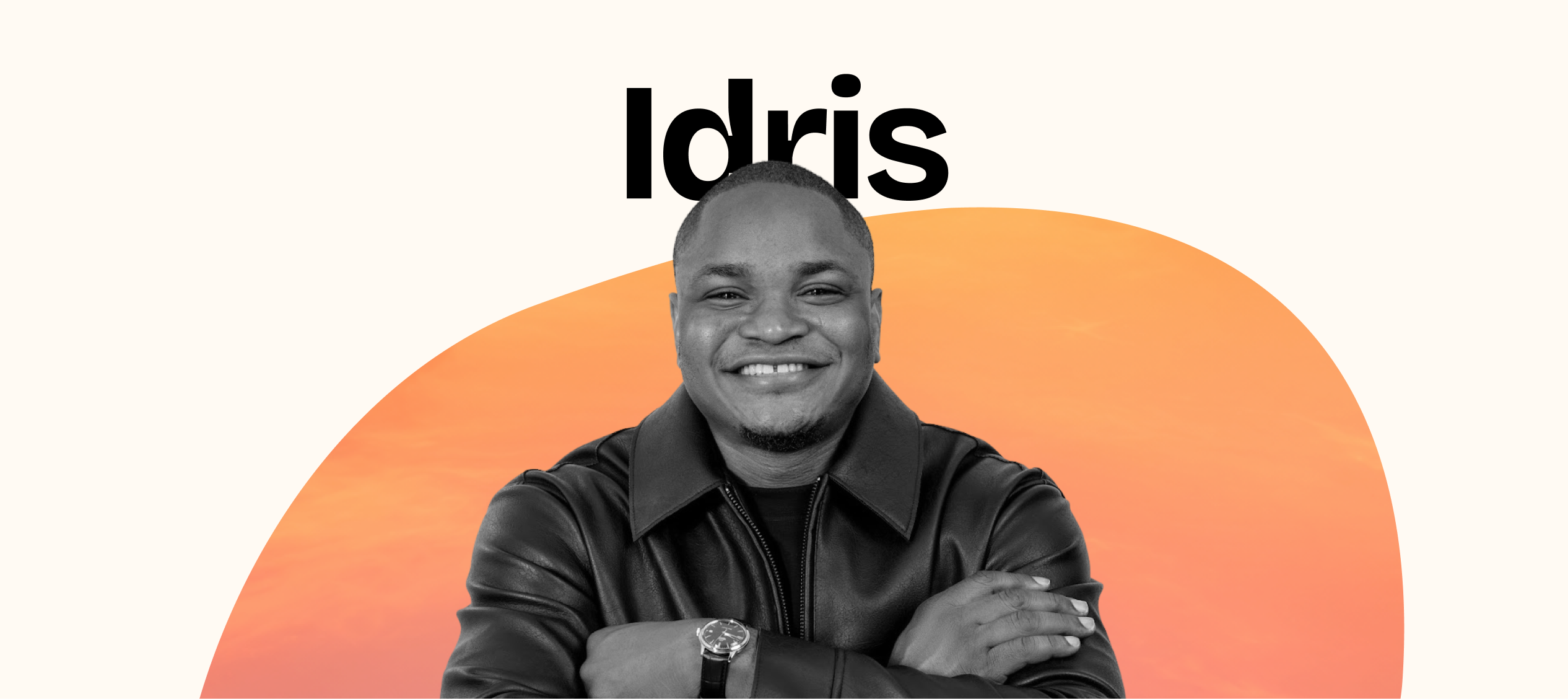
Idris Olubisi's career began with an interest in programming, sparked by a six-month internship that paid ₦47,500 monthly.
Today, after years of building his engineering skills, exploring technical writing, and moving into developer relations, he has worked across the Web3 ecosystem and earned in dollars.
In this edition of Money Moves, the software engineer and developer relations professional talks about his beginnings, the unexpected value of technical writing, career pivots, and why earning more money hasn't meant spending more.
Can you walk us through your career journey? Did you always know you wanted to work in Web3?
Web3 wasn't my starting point. I worked as a backend engineer in Web2 for over three years before transitioning into Web3.
I studied electrical engineering, and my final-year project involved programming. That was around 2018, and it's how I first got interested in software development.
Professionally, I started with an internship paying ₦50,000, but after deductions, I received ₦47,500 at Tavia Technologies in Lagos in 2019. The company worked on technology solutions for organisations such as MTN, Access Bank and many others. After the internship, I continued there as a full-time software engineer.
Wow! What was life like on ₦47,500?
Transportation was a major expense. I lived on the mainland and worked around the Motorways area in Ikeja, Lagos, so getting to work cost me a lot.
Sometimes, I skipped lunch to save enough for transportation the next day. There were also times when I took cheaper buses to cut my commuting costs. I remember sometimes following someone who drives to Yaba and then taking a bus from there because it was cheaper than the direct route, but I knew there could be an opportunity at the end of the internship. I didn't have another opportunity, so I was willing to stay and see what happened, and it did: I was retained as a full-time employee, earning ₦97,000 after deductions.
A big leap. Did things get significantly better when your salary increased to ₦97,000?
Yes, but it wasn't as if everything suddenly changed. I could afford lunch more comfortably, and I bought some new clothes because I needed to look the part at work. When you're going to the office every day, you have to dress well.
It made things easier, but I still had to manage my money carefully. The relief was that I could now comfortably cover transport and lunch, and I tried to manage whatever remained.
You took an unpaid internship with Hotels.ng while you were already working full-time. Why?
I wanted to test my JavaScript skills and see how much I could do with them in a real work environment.
I already had a job working with C#, but I wanted more, so my situation was different from someone with no income doing an unpaid internship. I could use my salary to support myself while gaining additional experience.
Then COVID happened, and we started working remotely. The time I would have spent commuting became time I could use for the internship.
It was intense. I worked during the day, did the internship at night, slept for a few hours, and woke up to start again. Right after that internship, I got an opportunity at PhilanthroLab as a backend engineer, and it was based on my JavaScript experience plus my production working experience with Telecoms.
The pay more than doubled what I was earning, and it increased again later. It was a significant bump from ₦97,000.
How did the increase impact your lifestyle?
I started investing in my workspace. I bought my own internet and made sure it was reliable. When you're working remotely, you have to provide some of those things yourself.
I didn't really change my lifestyle dramatically, but I started managing things better and spending on things I couldn't comfortably afford before.
How were you able to manage this role and technical writing?
I had always enjoyed writing. Even while working as a backend engineer, I wrote technical content.
I wanted to combine writing with my engineering skills. When I discovered Web3, I realised I could pursue a career that let me do both, rather than focus exclusively on software development.
What was the pay for the first technical article you wrote?
They paid me $150, and that was almost ₦200,000 at the time. I was blown away. I remember thinking, "Wait, somebody is paying me almost two weeks' worth of my salary for this?"
I didn't realise people would pay that much for technical writing. After that, I started looking for more opportunities.
The article also performed really well. People referenced it, and it got millions of views. That helped me see the potential in what I was doing.
After that, I started dividing my time between work and writing. When I wasn't working, I was writing. I also contributed to platforms like FreeCodeCamp, which helped me grow as a writer. They didn't pay, but they had an excellent editorial team that gave solid feedback and helped me improve.
I also wrote for LogRocket, which paid $350 per article, way more than anybody I wrote for at the time. I even wrote for platforms that paid $600 and $1,500 for single pieces of content.
It wasn't an overnight transition. I was building that experience alongside my engineering career.
Your role at Mara was your transition into Web3. How did that happen?
I became curious about the industry and had developed an interest in writing and developer education. I wanted something beyond writing code every day, so developer relations became a good fit.
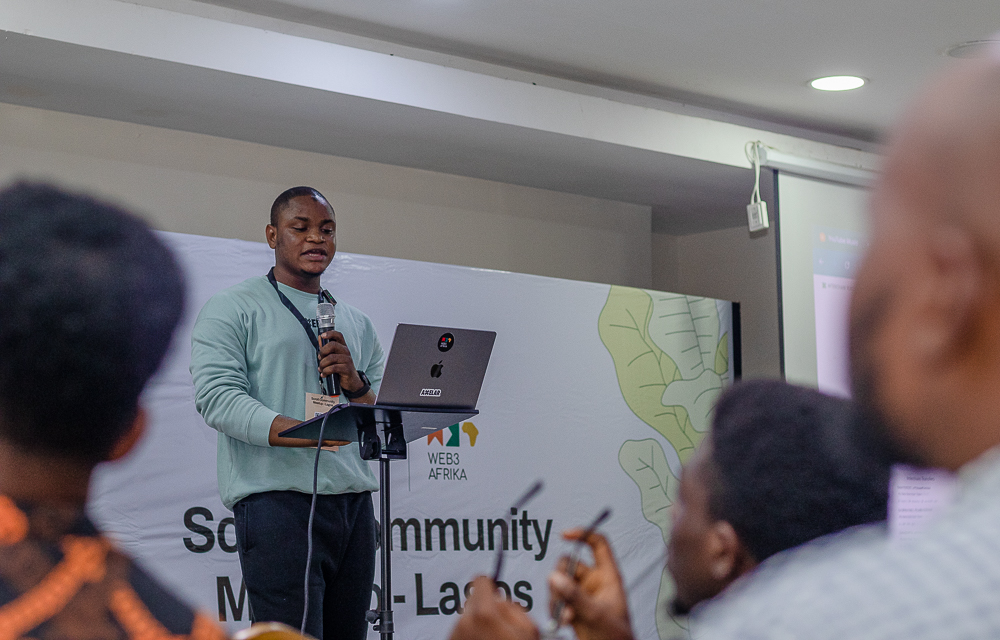
The opportunity at Mara came through a DM. The VP for Developer Relations reached out to me on X (Formerly Twitter) referencing my work with Web3 Afrika. He said they were hiring for a DevRel position and wanted to have a conversation.
I jumped on a call. He explained the mission, and at that time, Mara had just raised $22 million. I didn't even know what Mara was; I had to Google it.
The call was more about how much I would be paid than an interview. He had already seen my work. They sent an offer letter, and it was a huge jump from my previous role.
Definitely a huge leap, and it came with a lifestyle change.
I was still living with my mum then, but I started doing more in the house. I bought things when they broke, repaired the washing machine, bought a new TV, and made the house more comfortable.
Then I moved into my own apartment. I told my mum it was because my manager said I should find my own place, but really, I needed more space for work. I wanted a bigger table and more monitors.
I also started travelling. I travelled to Ghana, Rwanda, and far-flung places like Thailand.
Your role at Interop Labs came next. How did that happen?
A friend saw the opening for a DevRel position and came to me for advice on how to apply. He went through the first stage but didn't hear back for a month. When he followed up, they told him he didn't have Solidity experience, which was required.
I went back to the job description to see what they were looking for, and I realised it was a good opportunity. I submitted my resume and got an interview.
It was a five-round interview process. The first was a general call, then a technical round, an assessment, a review of the assessment, and finally a call with the CEO.
After the CEO round, they asked for samples of my previous work, writing, everything. I sent everything over.
The offer came; it almost doubled my pay at Mara. I was the only African on the team at the time, apart from one guy from Morocco who left about a year after I joined.
What was the idea behind Web3 Afrika?
I started it around the time I was joining Mara. I gave a talk at a Oscafest and met Nader Dabit, someone I had known online. We had a few conversations, and I thought about creating a community where people could help each other.
As I transitioned into Web3, I was already an engineer, so I had that capacity. But not everybody does. I wanted to create a space where people could bounce ideas off each other and work together.
The idea was to make it free, open, and accessible. I met my co-founder Tony through Nader, and I connected with Isaac, a designer who built our logo and branding. That's how we started.
How has your relationship with money changed over time?
I've been lucky enough to reach a point where I can earn more and still have enough left after spending, but it wasn't sudden. I gradually got better at managing money.
I don't match my spending to my income, and that has helped me realise I can save it.
I save in USD. If I don't need anything in Naira, I just keep it in dollars.
What’s your investment habit?
I'm a safe investor. I started investing in ETFs about two years ago, just to keep some level of security so my money isn't just sitting in the bank.
ETFs won't give you the huge boom stocks can, but they're more gradual and carry less risk. I also invested in land and landed properties a few years ago and even recently.
What advice would you give to someone who wants to follow a similar path?
First, I would say trust God. That's something I've always done.
Then, on the practical side, I think you should do the hard thing to an extent. What that means will be different for everyone.
For me, it meant using a lot of my money on transportation during my internship because I believed there could be an opportunity afterwards. It meant taking the internship and putting in the work even when it was difficult.
Another thing is to make good use of every experience you have. Your next role builds on the experience you've gained in the previous one.

Keep reading
How Ayomide Joseph Built A Global B2B SaaS Career From Freelancing
In this Money Moves, Ayomide Joseph shares how he went from writing 2,000-word Articles at ₦1 per word to building a global marketing career

How Nii Built A Global Business From Ghana
Discover how Cashramp is revolutionizing cross-border transactions as we interview a software engineer facilitating payments for creators.
How Stella Inabo Built a Marketing Career from Writing ₦3k/Month Articles
How Stella Inabo went from writing ₦3k articles to earning $9,000/month in content marketing through strategic career moves.