
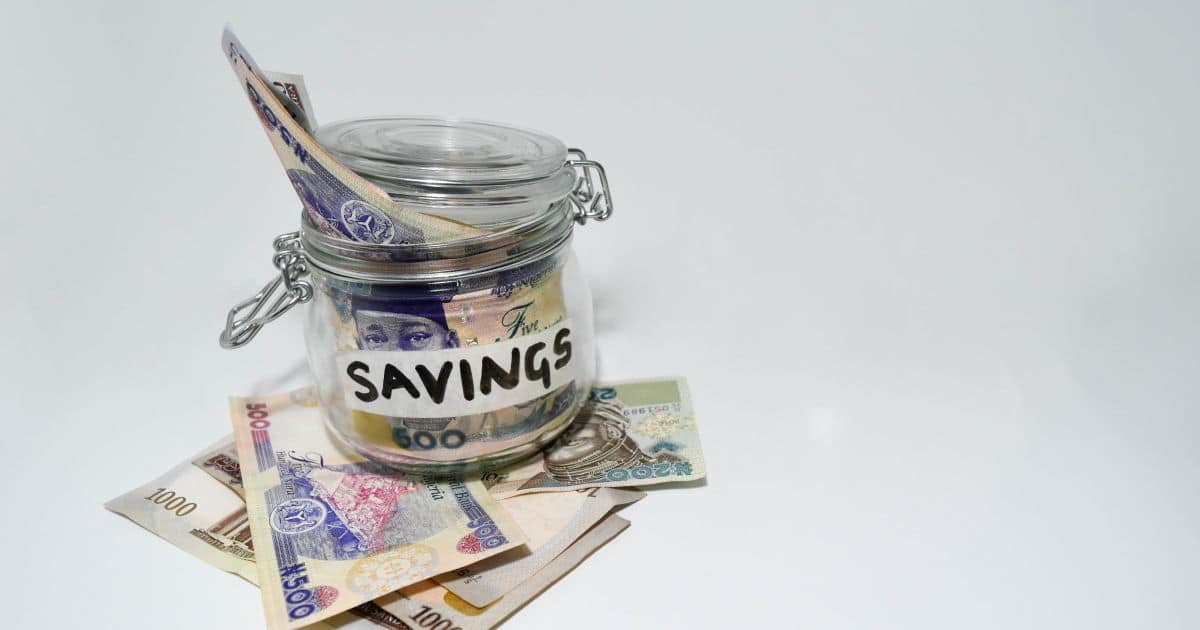
Saving money can feel impossible when your income is limited, and your expenses already take up most of your paycheck. Rent, groceries, transportation, bills, debt payments, and unexpected costs can make it seem like there is no room left to save.
The good news is that you do not need a large income to start building savings. You need a realistic plan, small money habits, and a system you can follow consistently.
In this guide, you will learn how to save money on a small budget using seven simple steps. These tips are beginner-friendly and designed for people who want to save more money without making extreme lifestyle changes.
What Does It Mean to Save Money on a Small Budget?
Saving money on a small budget means setting aside money regularly, even when your income is limited. It does not mean saving huge amounts right away. Instead, it means making small financial decisions that help you reduce waste, avoid unnecessary fees, and build a safety net over time.
Even saving $5, $10, or $20 at a time can help you develop better financial habits. The goal is not perfection. The goal is progress.
Why Saving Money Is Important Even When Money Is Tight
When you live on a small budget, unexpected expenses can create major stress. A car repair, medical bill, rent increase, or missed paycheck can quickly lead to debt if you do not have savings.
Having even a small amount of money saved can help you:
- Cover emergencies
- Avoid payday loans or high-interest debt
- Reduce financial stress
- Pay bills on time
- Feel more in control of your money
- Build confidence with budgeting
Saving money gives you options. Even a small emergency fund can make a big difference.
1. Track Your Spending for One Week
The first step in learning how to save money on a small budget is understanding where your money goes. Many people feel broke because small expenses slowly drain their income without them noticing.
For one week, write down every purchase you make. Include:
- Takeout and delivery
- Snacks
- Transportation
- Subscriptions
- Online shopping
- Bank fees
- Personal spending
At the end of the week, review your list. Look for spending habits that surprise you. You may find that delivery fees, impulse buys, or unused subscriptions are costing more than expected.
You do not have to track every dollar forever. Start with a one-week window to identify the biggest spending leaks.
2. Create a Simple Monthly Budget
A budget helps you decide where your money should go before it disappears. If your budget is small, keep your system simple.
Use this basic formula:
Monthly income – essential expenses = money left over
Essential expenses include:
- Rent or mortgage
- Utilities
- Transportation
- Insurance
- Minimum debt payments
- Necessary family expenses
Once you know what is left, divide that money between savings and flexible spending.
For example, if you have $100 left after essential expenses, you might put $20 into savings and keep $80 for flexible spending. If you only have $20 left, you might save $5 and use $15 for other needs.
The amount does not have to be large. The most important thing is making savings part of your budget.
3. Pay Yourself First
Paying yourself first means saving money before you spend on anything else. This is one of the easiest ways to save money on a small budget because it makes savings automatic.
As soon as you get paid, set aside a small amount for savings. This could be:
- $5 per paycheck
- $10 per week
- $20 per month
- 1% to 5% of your income
If possible, set up an automatic transfer to your savings account. Automatic savings removes the temptation to spend the money first.
If you cannot automate it, move the money manually on payday. Treat savings like a bill you owe to your future self.
4. Cut One Expense at a Time
When money is tight, it can be tempting to cut everything at once. But extreme budgeting is hard to maintain. A better approach is to reduce one expense at a time.
Start with one category, such as:
- Eating out
- Food delivery
- Subscriptions
- Impulse shopping
- Convenience store purchases
- Entertainment
For example, you could cancel one unused subscription this month. Next month, you could reduce takeout by one meal per week. After that, you could switch to a cheaper phone plan.
Small changes can add up without making your budget feel too strict.
5. Save Money on Food
Food is one of the best places to save money because small changes can create quick results. You do not need a complicated meal plan. Focus on simple, affordable habits.
Ways to save money on groceries include:
- Make a shopping list before going to the store
- Plan meals around food you already have
- Buy store-brand items
- Compare unit prices
- Cook larger portions and use leftovers
- Choose affordable staples like rice, beans, oats, eggs, pasta, potatoes, and frozen vegetables
Reducing takeout can also help you save. Instead of ordering delivery several times a week, start by replacing one takeout meal with a home-cooked meal.
You do not have to remove all restaurant meals from your life. The goal is to reduce food spending in a way you can maintain.
6. Build a Small Emergency Fund
A small emergency fund protects you from financial setbacks. If you are saving money on a small budget, start with a realistic goal.
Try building your emergency fund in stages:
- First goal: $100
- Second goal: $250
- Third goal: $500
- Fourth goal: one month of basic expenses
Keep this money separate from your everyday spending money. You can use a separate savings account, envelope, or money box.
Your emergency fund should be used only for necessary unexpected expenses, such as:
- Car repairs
- Medical costs
- Urgent bills
- Job loss
- Emergency travel
- Essential home repairs
Even a small emergency fund can help you avoid borrowing money when something goes wrong.
7. Find Small Ways to Increase Your Income
Sometimes there is simply not enough money left after essential expenses. If you have already cut costs and still cannot save, increasing your income may help.
You do not need a huge side business. Small income boosts can make a difference.
Ideas include:
- Selling unused clothes, electronics, or furniture
- Taking extra shifts at work
- Babysitting
- Pet sitting
- Tutoring
- Freelancing
- Doing seasonal work
- Offering a simple local service
- Asking about overtime or more hours
Even an extra $50 per month can help you grow your emergency fund faster.
Common Mistakes to Avoid When Saving on a Small Budget
Saving money is easier when you avoid common budgeting mistakes. Watch out for these:
Trying to Save Too Much Too Fast
If your goal is too aggressive, you may give up quickly. Start with an amount you can repeat.
Not Tracking Small Purchases
Small purchases can add up. Snacks, drinks, apps, and delivery fees may be costing you more than you realise.
Forgetting About Irregular Expenses
Some expenses do not happen every month, such as car registration, school supplies, gifts, or medical bills. Set aside a little money for these costs when possible.
Using Credit Cards for Emergencies
Credit cards can be helpful, but relying on them for every emergency can lead to expensive debt. A small emergency fund is safer.
Giving Up After One Bad Month
Everyone has setbacks. If you miss a savings goal, restart with your next paycheck.
How Much Money Should You Save Each Month?
The best amount to save each month depends on your income, bills, and financial responsibilities. If your budget is small, start with an amount that feels realistic.
You can start with:
- $5 per week
- $10 per paycheck
- 1% of your income
- Spare change
- Any money saved from cutting one expense
Once your budget improves, increase your savings gradually.
Remember, consistency matters more than the amount. Saving a small amount regularly is better than waiting until you can save a large amount.
Final Thought
Learning how to save money on a small budget is not about making extreme sacrifices. It is about creating small habits that help you manage your money better.
Start by tracking your spending, creating a simple budget, paying yourself first, cutting one expense at a time, saving on food, building an emergency fund, and looking for ways to earn extra income.
You do not need to save a lot to make progress. Every dollar saved is a step toward more financial security, less stress, and a stronger future.
FAQ: How to Save Money on a Small Budget
How can I save money if I live paycheck to paycheck?
Start by tracking your spending for one week. Then choose one small expense to reduce and save a small amount on payday, even if it is only $5. Building the habit is the first step.
What is the easiest way to save money on a small budget?
The easiest way is to pay yourself first. Move a small amount into savings as soon as you get paid before spending on anything else.
How much should I save if I have a low income?
Start with what you can afford. This could be $5 per week, $10 per paycheck, or 1% of your income. Increase the amount when your budget allows.
Where should I keep my emergency fund?
Keep your emergency fund separate from your everyday spending money. A separate savings account is ideal, but you can also use a safe cash envelope if that works better for you.
What expenses should I cut first?
Start with expenses that do not improve your life much, such as unused subscriptions, late fees, delivery fees, impulse purchases, or frequent takeout.